
Weststar Chimney Sweeps: Chimney Sweeping Services in La Mesa CA
At Weststar Chimney Sweeps, we take pride in helping La Mesa homeowners keep their fireplaces working as safely and as efficiently as possible through detailed chimney sweeping services. Our team understands the way Southern California’s climate, seasonal Santa Ana winds, and occasional heavy winter rains can impact how your chimney performs. Whether your home is one of La Mesa’s mid-century classics or a newer build tucked into the hills, we’re here to remove creosote, clear blockages, improve draft, and give you the peace of mind that comes from a clean, well-maintained system.
What Does Chimney Sweeping Involve?
Chimney sweeping is the process of removing creosote, soot, and debris from the flue so smoke can move upward more freely. A clean chimney helps reduce the risk of flue obstructions, improves your fireplace’s ability to draft, and helps limit odors during the off-season.
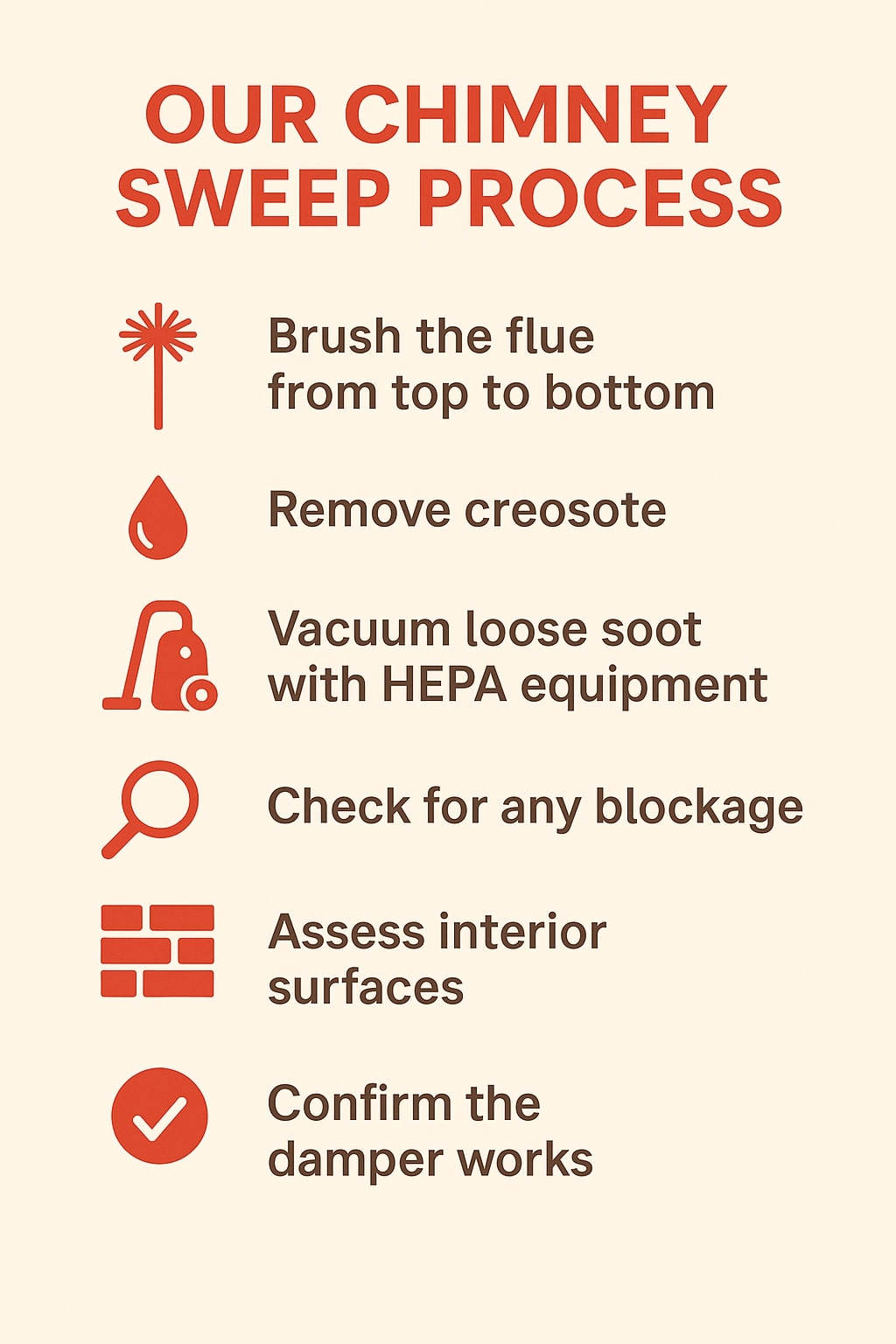
When we sweep a chimney, we:
- Brush the flue from top to bottom
- Remove both glazed and powdery creosote when possible
- Vacuum loose soot with specialized HEPA equipment
- Check for any blockages from leaves, nests, or fallen masonry
- Assess interior surfaces for cracking, shifting, or moisture intrusion
- Confirm the damper can open and close properly
Many homeowners ask us questions like: What happens if you light a fire when the flue is still damp after heavy rain? Could a single missed annual sweeping allow enough creosote to ignite a chimney fire the next season? How do spring pollen or autumn leaves create unexpected blockages? Part of our job is helping you understand how everyday conditions can affect chimney performance. During a sweeping, we walk you through what we see so you know exactly how your system is holding up.
Why We Love Serving La Mesa, CA
La Mesa is often called the Jewel of the Hills for good reason. Its walkable downtown, charming neighborhoods, and warm community spirit make it one of the most inviting places in East County. Families enjoy Lake Murray for fishing and sunset views, while Mission Trails Regional Park offers miles of rugged hiking. Locals gather every week at the La Mesa Farmers Market, and during the holidays glow proudly at the city’s annual Christmas in the Village celebration.
We’ve worked on countless homes throughout La Mesa, and we love the mix of architectural styles here. From historic bungalows near La Mesa Boulevard to hillside properties with long chimney runs, every home has its own needs. Keeping these systems in top shape is something we’re proud to provide for our neighbors.
How Do Santa Ana Winds and High-Wind Storms Affect Chimneys?
High winds can affect chimneys much more than people expect. In La Mesa, episodes of Santa Ana winds can reach speeds strong enough to blow debris straight into your flue or put pressure on already-aging caps and crowns. Our chimney sweeps often see:
- Dislodged chimney caps
- Nests or yard debris pressed deep into the flue
- Backdrafting caused by sudden wind shifts
- Cracked or loosened mortar joints on older chimneys
- Smoke being pushed back into the room during gusty periods
Strong winds can also affect draft long after the storm has passed. For example, if a tree was trimmed or removed nearby, the airflow around your house changes. We’re frequently asked, Can a chimney’s draft be affected by nearby construction years after the home was built? Yes, especially when rooflines or landscaping shift. During a sweeping, we check for these changes and help you understand how they might affect performance in the coming season.
We also talk to homeowners about early warning signs. If you suddenly smell smoke on a windy day when the fireplace isn’t even running, or your cap rattles loudly during storms, it may be time for an inspection or cleaning. A sweeping can reveal hidden debris or structural wear that is easier to address sooner rather than later.
What Should Homeowners Do After Heavy Rain or a Flood Before Using Their Fireplace?
Although La Mesa doesn’t experience flooding often, heavy winter rains can saturate masonry, rust metal components, and send moisture deep into the flue. Lighting a fire before the chimney dries can lead to:
- Steam pockets inside the masonry
- Damp creosote that becomes harder to remove later
- A smoky smell throughout the home
- Reduced draft because warm air struggles to rise through a cool, wet surface
If your chimney gets soaked, we recommend:
- Waiting for at least a few dry days before use
- Opening the damper to let interior moisture escape
- Checking for visible water staining or rust
- Calling us for a sweeping if the chimney hasn’t been cleaned recently
Homeowners often ask what happens if you light a fire when the flue is still damp. Smoke often spills into the room because the flue can’t warm up quickly enough, and moisture can mix with creosote, creating a more stubborn layer. A good sweeping can remove this buildup and help the flue perform more reliably the next time you use it.
Can Crumbling Mortar or Seismic Activity Affect Chimney Safety Between Sweeps?
Southern California isn’t immune to tremors, and even small seismic shifts can stress older masonry. Homeowners sometimes wonder: Do earthquakes or small tremors loosen mortar joints enough to create dangerous flue gaps? They can, especially if the chimney is already aging or has had previous water intrusion.
During a sweeping, we often find deterioration such as:
- Cracked mortar joints
- Slightly shifted bricks
- Gaps along the liner seams
- Areas where water has entered through the crown
How fast can crumbling mortar compromise a chimney’s stability? In some cases, a single rainy season can accelerate deterioration if the chimney is unprotected. While sweeping isn’t a repair service, it gives us visibility into how your system is aging. We let you know immediately if we see signs that your chimney may be leaning, cracking, or losing structural strength. Early detection takes far less time and cost to address than waiting until damage becomes severe.
How Does Burning Different Fuels Change Creosote Buildup?
La Mesa residents use a mix of fuel types, and each creates its own pattern of residue. Wood produces the most creosote, but pellet stoves and gas fireplaces aren’t maintenance-free.
Wood burning creates:
- Powdery soot with low-temperature fires
- Flaky creosote with moderate burns
- Sticky, tar-like glazed creosote from long, smoldering fires
Pellet systems produce a finer ash that can clog venting if ignored. Gas systems don’t create creosote, but they can accumulate:
- Rust flakes
- White mineral deposits
- Spider webs or insect debris
- Moisture stains if the flue isn’t drafting properly
A sweeping helps remove whatever type of residue your system produces. Homeowners often ask whether switching fuels changes maintenance needs. It does, and we help you determine the safest schedule based on how you use your fireplace and what type of system you have.
How Do Professionals Detect Hidden Interior Problems During a Sweep?
Some of the most serious chimney flaws can be microscopic cracks inside the liner. These gaps can allow heat or smoke to escape into areas that were never designed to handle high temperatures.
During a sweeping, we use specialized tools to detect:
- Small cracks not visible to the naked eye
- Areas where creosote has seeped into openings
- Subtle flue distortions
- Moisture inside masonry surfaces
- Obstructions hidden above bends in the flue
We’re often asked how we catch issues that homeowners can’t see. Between our brushes, lights, mirrors, and professional experience, we notice surface changes during cleaning that indicate deeper concerns. A sweep is sometimes the first moment a homeowner learns their chimney needs relining, repairs, or moisture protection.
Call Weststar Chimney Sweeps for Service in La Mesa CA
We take pride in helping La Mesa families enjoy their fireplaces with confidence. Whether you’re dealing with smoke backup, unusual odors, creosote buildup, or seasonal debris, our chimney sweeping services are here to keep your system operating as reliably as possible.
If your chimney is due for a cleaning, don’t wait for the next windy night or rainy season to make problems worse. Call Weststar Chimney Sweeps today to schedule your appointment and experience the care, clarity, and quality service our team is known for throughout La Mesa.